
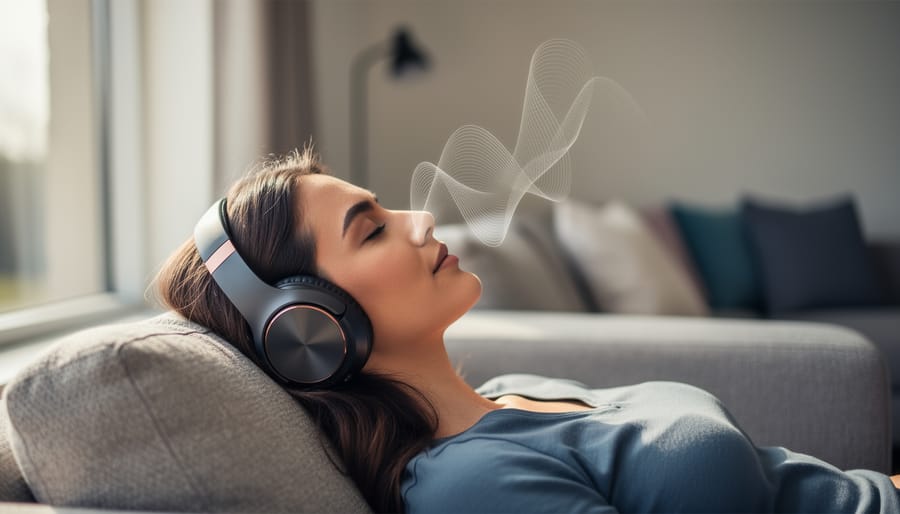
Relaxing music for stress and anxiety refers to sound-based interventions that use carefully selected or designed audio elements to calm the nervous system, lower cortisol levels, and create physiological conditions conducive to emotional regulation. Unlike background music you might play casually, these therapeutic soundscapes are intentionally structured with specific tempos, frequencies, and harmonic patterns to trigger your body’s relaxation response.
The science behind this approach has grown remarkably robust. Recent research shows that listening to specially designed music for just 24 minutes can significantly reduce anxiety symptoms, while digital music therapy now uses AI algorithms to produce personalized playlists that target your specific anxiety patterns. A comprehensive review found that music therapy significantly improves sleep quality in people struggling with stress-related insomnia, and clinical trials confirm that sound-based treatments effectively reduce state anxiety across diverse populations, including cancer patients managing treatment-related distress.
What makes this approach particularly valuable is its accessibility. You don’t need special equipment, a therapist’s office, or previous experience to benefit. Whether you’re dealing with chronic anxiety, navigating a stressful life transition, or simply looking for healthier ways to unwind after difficult days, therapeutic music offers an evidence-based tool you can use anywhere.
This article explains what makes certain music physiologically relaxing, how different sound interventions work in your brain and body, and the practical ways you can integrate these techniques into your daily routine. You’ll learn about the range of options available, from traditional music therapy sessions to binaural beats and AI-generated soundscapes, so you can choose approaches that fit your needs, preferences, and budget.
What Relaxing Music for Stress and Anxiety Means
Relaxing music for stress and anxiety refers to any sound-based approach designed to calm your nervous system and reduce emotional distress. It works by triggering measurable changes in your body, lowering cortisol levels, slowing your heart rate, and quieting the racing thoughts that fuel anxiety. These interventions span a wide range, from structured sessions with a trained therapist to playlists you stream while cooking dinner.
The distinction between passive and active approaches matters here. When you put on calming music and let it play in the background while you work or rest, that’s music medicine, self-directed listening without therapeutic guidance. It’s accessible, affordable, and can be part of your daily routine. Music therapy, on the other hand, involves working with a therapist who uses sound as a tool for emotional processing and healing. You might create rhythms, sing, or discuss how certain pieces make you feel. Both approaches have their place.
- Music Therapy
- Therapist-guided sessions where you actively create, listen to, or engage with music as part of a structured healing process, either individually or in groups.
- Music Medicine
- Self-directed listening to pre-recorded music designed for relaxation, without professional involvement, an accessible option for everyday stress management.
- Binaural Beats
- Specialized audio presenting different frequencies to each ear, creating a perceived third tone that may influence brainwave patterns and relaxation states.
- AI-Generated Sound
- Digital music therapy using algorithms to produce personalized playlists based on your specific anxiety symptoms and responses.
Not all relaxing music is created equal. Intentionally designed soundscapes use specific tempos, frequencies, and melodic structures to target stress responses. A clinical trial found that listening to specially designed music for just 24 minutes can significantly reduce anxiety symptoms. That’s different from simply turning on gentle background music, which may help but isn’t engineered with the same precision. Understanding these distinctions helps you choose the approach that fits your needs and situation.
How Sound Therapy Works to Reduce Stress and Anxiety
The Body’s Response to Sound
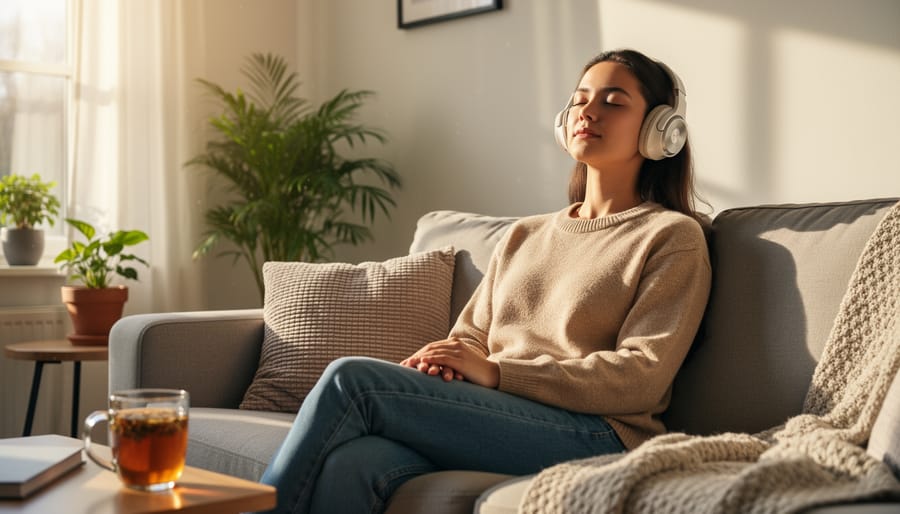
When you listen to relaxing music, your body responds in measurable ways within minutes. Your heart rate begins to slow and synchronize with the tempo of the music, a process that influences heart rate variability, the natural fluctuation between beats that indicates your nervous system is shifting toward a more relaxed state. Your breathing pattern naturally adjusts to match rhythmic elements in the sound, often becoming deeper and more regular, which signals your brain to reduce stress hormone production.
Muscle tension releases as the auditory stimulus diverts your attention from anxious thoughts. Tight shoulders drop, clenched jaws soften, and your posture eases without conscious effort. This happens because sound processing engages multiple neural pathways simultaneously, interrupting the physical stress cycle.
At the chemical level, listening to calming music triggers neurochemical shifts that support emotional regulation. Your brain reduces cortisol output, the primary stress hormone, while increasing dopamine and serotonin, neurotransmitters associated with pleasure and well-being. Research confirms these physiological relaxation effects showing that even 20-30 minutes of intentional listening can down-regulate stress processes throughout your body. These aren’t abstract benefits; they’re concrete physiological changes you can feel as tension melts and your breathing steadies.
Music and the Mind-Body Connection
Music doesn’t just soothe your emotions, it literally reshapes your brain’s activity in real time. When you listen to calming sound, multiple neural networks fire up at once: the auditory cortex processes the melody, the limbic system (your emotional centre) responds to the mood, and the prefrontal cortex, responsible for planning and self-awareness, helps you make sense of what you’re feeling. This simultaneous engagement creates a bridge between body and mind, which is why music works so well alongside art therapy and mindfulness practices.
The connection runs deeper than mood shifts. Music synchronizes your breathing and heart rate, while activating the release of dopamine and serotonin, the same neurochemicals that regulate motivation and well-being. At the same time, it quiets the amygdala, the brain’s alarm system for stress. This dual action, calming the fear response while reinforcing emotional regulation, explains why a 24-minute listening session can measurably reduce anxiety symptoms. You’re not distracting yourself from distress; you’re literally rewiring how your nervous system processes it, creating space for self-reflection and emotional clarity that other creative therapies build on.
Types of Sound-Based Interventions for Anxiety Relief
Music Therapy Sessions
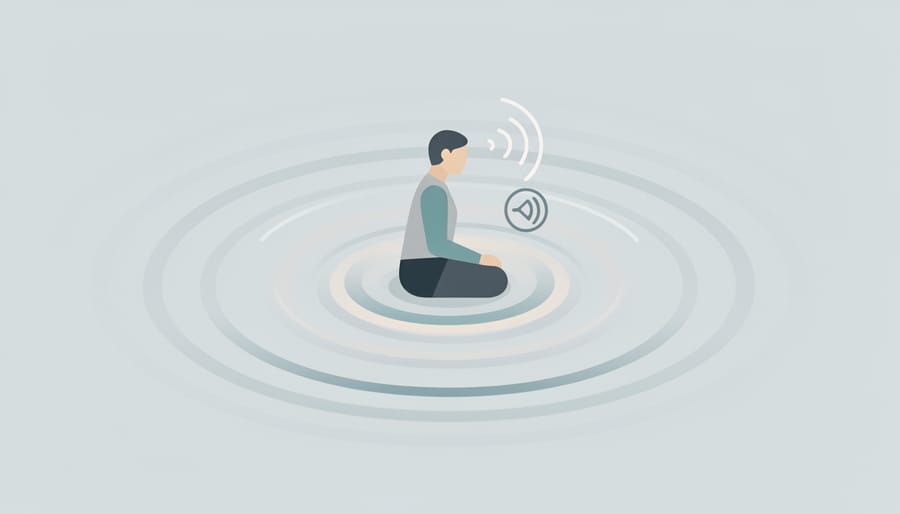
Music therapy sessions involve working directly with a certified music therapist who guides you through structured activities tailored to your anxiety symptoms and emotional needs. Unlike simply listening to calming playlists, these sessions are interactive, you might improvise melodies on instruments, write song lyrics exploring your feelings, or engage in guided music listening with discussion. Sessions can be one-on-one or group-based, depending on your comfort level and therapeutic goals. The therapist observes your responses to different musical elements and adjusts the approach accordingly, helping you build coping skills through sound. This active engagement makes music therapy distinct from passive listening: you’re not just receiving relaxation benefits, you’re developing emotional awareness and regulation techniques you can apply beyond the session itself.
Music Medicine (Passive Listening)
Music medicine refers to self-directed listening where you choose pre-recorded relaxing music and use it on your own terms, without a therapist guiding the process. Unlike formal music therapy sessions, this approach puts you in control: you select what works for your nervous system, press play when stress hits, and adjust the volume or style as your mood shifts. It’s the most accessible form of sound-based intervention because it requires no appointments, no specialized training, and often no cost beyond a streaming subscription or free playlist.
Research shows that even passive listening can produce measurable benefits. One clinical trial found that 24 minutes of specially designed music significantly reduced anxiety symptoms, demonstrating that brief, intentional listening sessions can shift your physiological state. You might use calming instrumental tracks during a work break, nature sounds while cooking dinner, or slow-tempo music before bed to de-stress effectively without adding another task to your schedule. The key is consistency and choosing music with relaxing qualities: slower tempos (60-80 beats per minute), minimal lyrics, predictable harmonic patterns, and gentle tonal shifts that mirror a calm nervous system rather than jarring it.
Binaural Beats and Frequency-Based Sound
Binaural beats deliver two slightly different frequencies, one to each ear through headphones, prompting your brain to perceive a third, phantom tone at the frequency difference between them. If your left ear receives 200 Hz and your right ear 210 Hz, your brain registers a 10 Hz beat. Proponents suggest these perceived tones can coax brainwaves into relaxed states linked to stress process down-regulation, though individual responses vary widely. Some people find the rhythmic pulsing soothing during meditation or before sleep, while others notice little effect. Unlike conventional music, binaural beats strip away melody and lyrics, focusing solely on frequency interplay. This makes them a distinct tool within sound-based interventions, useful for listeners who prefer structured, repetitive auditory input over traditional relaxing music.
AI-Generated Personalized Playlists
Algorithms now analyze your specific anxiety patterns and physiological responses to create playlists tailored just for you. This digital music therapy approach uses AI to track how you respond to different musical elements, tempo changes, frequency ranges, instrumental textures, then builds sequences designed to shift your nervous system toward calm. The technology learns from your feedback, adapting each playlist as your needs change.
Unlike generic relaxation playlists, these systems consider individual differences in how music affects anxiety. Someone who finds piano soothing might receive very different recommendations than someone whose stress drops with nature sounds layered over ambient tones. The AI adjusts in real time based on biometric data or self-reported symptoms, creating a responsive intervention that evolves with you.
Research confirms that this personalized approach works: studies show digital music therapy using AI algorithms effectively manages anxiety symptoms. The technology makes sound-based intervention accessible outside clinical settings, putting customized anxiety relief in your pocket. You get the benefits of tailored sound therapy without needing a music therapist present for every session, though professional guidance remains valuable for deeper therapeutic work.
How Relaxing Music Is Used in Therapy and Daily Life
In Clinical Settings
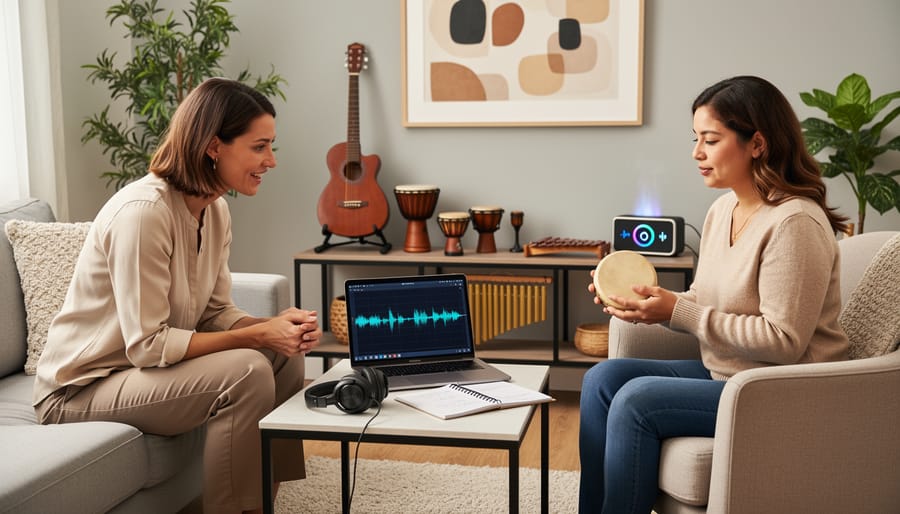
In hospitals and therapeutic settings, relaxing music has become a standard complementary intervention alongside traditional treatments. Systematic reviews show that music therapy is particularly effective with cancer patients, significantly reducing anxiety levels and improving sleep quality. These sessions might involve passive listening to calming compositions during chemotherapy, or active participation in creating sounds that help patients process difficult emotions and cope with loss.
Mental health programs increasingly integrate music medicine into their treatment protocols. Patients dealing with depression, PTSD, or chronic anxiety often participate in structured listening sessions lasting around 24 minutes, a duration research has shown can produce measurable reductions in anxiety symptoms. Some facilities now use AI-generated playlists tailored to individual symptom profiles, allowing clinicians to adjust auditory interventions based on real-time patient responses.
Stress management workshops in corporate wellness programs and community health centers commonly incorporate binaural beats and guided relaxation soundscapes. These group sessions teach participants how to use music as a portable anxiety management tool they can access anywhere, making therapeutic sound accessible beyond clinical walls.
For Self-Care and Mindfulness Practice
You don’t need expensive equipment or structured programs to make music part of your stress management routine. The flexibility of sound-based interventions means you can integrate them wherever and however they fit your life. Many people combine relaxing music with existing mindfulness habits, playing gentle instrumental tracks during morning meditation, cueing up binaural beats while journaling about anxiety triggers, or setting a calming playlist as background for painting or drawing sessions. If you’re exploring online art therapy adding a sound layer to your creative work can deepen emotional processing and help you stay present with difficult feelings.
Creating a supportive sound environment starts with simple choices:
- Use headphones or earbuds to block external distractions and enhance immersive listening
- Set volume low enough to hear your breath and remain aware of your body
- Choose music without lyrics when you need to concentrate on creative tasks or introspection
- Experiment with different genres, nature sounds, ambient electronica, slow classical pieces, to discover what genuinely calms your nervous system rather than what you think should work
- Schedule regular listening windows (morning coffee, lunch break, bedtime routine) so music becomes a reliable anchor in your day
The key is consistency and personal preference. What relaxes one person might agitate another, so trust your body’s response. If a track makes you feel restless or sad rather than grounded, switch it out. The goal is to build a personalized sound toolkit that supports your unique path through stress and anxiety.
Combined with Other Art Therapy Approaches
Sound therapy integrates seamlessly with visual art practices, movement-based therapies, and creative writing to create a multisensory healing experience. Playing calming music during painting or drawing sessions helps quiet the critical inner voice, allowing freer emotional expression through color and form. Many art therapists incorporate background soundscapes when clients work with clay, collage, or journaling, using rhythm and melody to support the creative flow state. Movement therapies like dance or gentle stretching become more meditative when paired with structured musical elements. This combination addresses stress and anxiety through multiple channels simultaneously, engaging the body through movement, the mind through creative problem-solving, and the nervous system through sound, making the therapeutic process more comprehensive and accessible for individuals with different learning styles and sensory preferences.
What Research Shows About Music for Anxiety and Sleep
The evidence supporting music as a tool for managing anxiety and improving sleep has grown substantially. Multiple systematic reviews examining various auditory interventions, including music therapy, music medicine, binaural beats, and AI-generated sound, consistently show benefits for stress and anxiety reduction. One comprehensive review analyzing randomized controlled trials found that music therapy significantly improves sleep quality in clinical populations, with measurable effects captured by an average difference of -0.44 (95% confidence interval: -1.01 to 0.33). These findings demonstrate real, quantifiable changes rather than just subjective comfort.
Particularly promising is research showing that brief interventions can produce meaningful results. A clinical trial found that listening to specially designed music for 24 minutes can significantly reduce anxiety symptoms, making this approach practical for busy individuals. The key phrase here is “specially designed”, not all music works equally well. Intentionally composed relaxation music, crafted with specific tempo, instrumentation, and harmonic structures, outperforms random playlists.
Sound-based treatments prove especially effective for what researchers call state anxiety, the temporary, situational nervousness you might feel before a stressful event or during a difficult period. Authors of multiple studies conclude that these interventions can effectively reduce this type of anxiety across diverse populations. In cancer patients specifically, a systematic review shows that music therapy reduces anxiety and improves sleep quality, addressing two commonly intertwined challenges.
The emergence of digital music therapy represents a new frontier. This approach uses AI algorithms to produce personalized playlists tailored to individual anxiety symptoms and responses, allowing the intervention to adapt as needs change. While traditional music therapy with a trained therapist remains the gold standard for complex mental health needs, these research findings validate music medicine, self-directed listening to therapeutic sound, as a legitimate, accessible tool for managing everyday stress and sleep difficulties.
Common Questions About Relaxing Music and Sound Therapy
How does music therapy reduce anxiety?
Music therapy works by engaging multiple brain regions that regulate emotions while triggering physiological changes like slower heart rate and reduced cortisol levels. Whether through active creation with a therapist or passive listening to specially designed tracks, music helps shift your nervous system from a stressed state to a calmer one.
Can relaxing music help with stress and anxiety?
Yes, research shows that listening to specially designed music for as little as 24 minutes can significantly reduce anxiety symptoms. Systematic reviews have found that sound-based interventions effectively reduce state anxiety, and music therapy has proven particularly beneficial for improving sleep quality in people experiencing stress.
What is sound therapy?
Sound therapy is any therapeutic approach that uses auditory stimulation to support mental and physical health. It includes music therapy sessions with a trained therapist, self-directed music listening (music medicine), binaural beats that influence brainwave patterns, and newer approaches like AI-generated personalized playlists.
Do I need a therapist to use relaxing music for anxiety?
Not necessarily. While working with a music therapist offers personalized guidance and deeper emotional processing, music medicine, simply listening to calming music on your own, can still provide meaningful anxiety relief. This makes sound-based interventions a flexible form of accessible mental health care that you can tailor to your needs and budget.
The beauty of sound therapy is that you can start wherever feels comfortable. If you’re new to using music for anxiety relief, begin by setting aside ten minutes daily to listen to tracks designed for relaxation, pay attention to how your body responds and adjust the tempo, volume, or style based on what helps you feel calmer.
Sound-based approaches to managing stress and anxiety offer something powerful: they’re backed by growing clinical evidence while remaining genuinely accessible to anyone with a phone or a quiet space. Whether you’re drawn to therapist-guided music therapy sessions, self-directed playlists, binaural beats, or AI-generated soundscapes, the research confirms what many people already feel, music can calm the nervous system, ease anxious thoughts, and create space for emotional healing.
What makes relaxing music particularly valuable within art therapy for stress and mindfulness is its flexibility. You don’t need special skills, expensive equipment, or prior experience. A 24-minute listening session can reduce anxiety symptoms. Cancer patients in clinical trials have experienced measurable improvements in sleep quality and reduced anxiety through structured music interventions. These aren’t vague promises, they’re documented outcomes showing that sound therapy works across different populations and settings.
The key is finding what resonates with you personally. Some people find relief through passive listening during their morning routine. Others benefit from active engagement with a music therapist who helps them process emotions through sound. You might combine relaxing music with journaling, painting, or meditation, weaving it into your broader self-care practice.
At Art Therapy Canada, we believe healing through creative expression should be available to everyone, regardless of budget or background. Sound therapy embodies that principle: it’s evidence-supported, affordable, and adaptable to your individual needs and preferences. Your path to managing stress and anxiety through music is yours to explore.
