If you’re looking for the Arabic word for anxiety, it’s “القلق” (pronounced “al-qalaq”). This term carries the same weight as its English counterpart, describing feelings of worry, unease, and fear that can range from mild everyday stress to overwhelming concern that affects your daily life.
Understanding mental health terminology in Arabic isn’t just about translation. It’s about bridging cultural perspectives on emotional wellbeing and making support more accessible to Arabic-speaking communities. In many Arabic-speaking cultures, discussions around mental health have historically carried stigma, making it harder for people to name what they’re experiencing or seek help. But that’s changing. Across communities in 2026, there’s growing recognition that القلق is a legitimate health concern deserving of care and attention, not something to hide or dismiss.
For Arabic speakers navigating anxiety, the language barrier can add another layer of difficulty when searching for resources or trying to explain symptoms to healthcare providers. You might feel more comfortable processing emotions in your first language, or you might be supporting a family member who struggles to describe their experience in English. Either way, knowing the right terminology helps you advocate for yourself and understand what you’re going through.
Art therapy offers a particularly powerful option here because creative expression transcends language entirely. You don’t need perfect vocabulary to paint how anxiety feels in your chest or sculpt the weight of your worries. This makes it an inclusive, accessible path forward for anyone, regardless of which language feels like home.
What Does القلق (Al-Qalaq) Mean?
The Arabic word for anxiety is القلق, pronounced “al-qalaq.” The term carries the same core meaning as its English counterpart, a state of worry, unease, or nervousness, but understanding معنى القلق في العربية reveals important cultural nuances around how mental health is discussed in Arabic-speaking communities.
The root word “qalaq” relates to disturbance, restlessness, and concern. You’ll hear it in everyday conversation when someone expresses worry about a specific situation: a student might feel قلق before an exam, or a parent might experience قلق about their child’s health. The term applies to both the temporary nervousness we all experience and the more persistent, clinical anxiety that interferes with daily life.
- القلق (al-qalaq)
- Anxiety or worry; the primary term for both everyday concerns and clinical anxiety disorders.
- قلق (qalaq)
- The root form meaning disturbance or restlessness, which appears in various related expressions.
- مصدر قلق (masdar qalaq)
- Source of concern or worry, commonly used when identifying what triggers anxiety, such as in the phrase “هل تُعد السرية مصدر قلق لك” (Is confidentiality a source of concern for you?).
In Arabic-speaking cultures, mental health conversations are evolving. Historically, discussing psychological struggles carried stigma, and people often described emotional distress through physical symptoms, headaches, fatigue, chest tightness, rather than naming the underlying anxiety. That’s changing, particularly among younger generations and in urban areas where mental health awareness is growing. You’ll now see content exploring how to manage fear and anxiety in challenging circumstances, from everyday stress to navigating difficult times.
The word al-qalaq itself doesn’t carry negative judgment; it’s a neutral descriptor. But the willingness to use it, to openly acknowledge قلق as something worth addressing, varies widely across families, regions, and generations within Arabic-speaking communities.
Why Language Matters in Mental Health Care
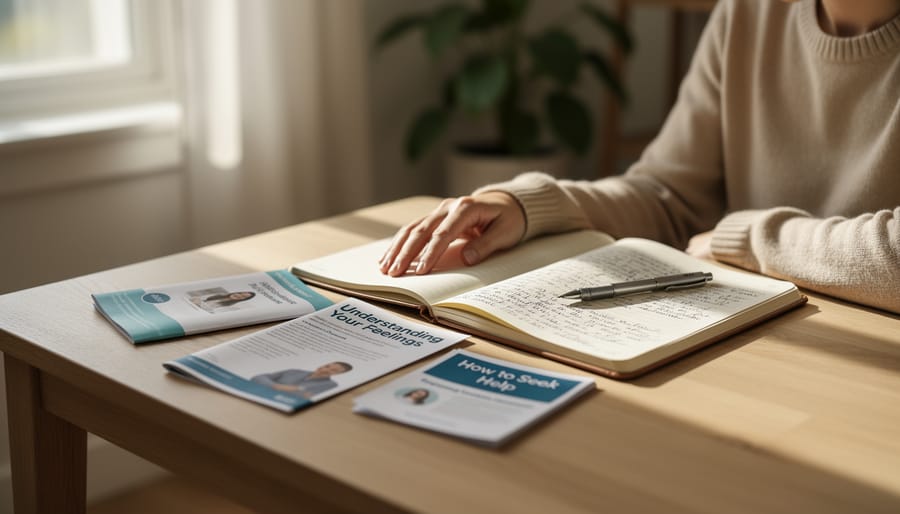
When you can name what you’re feeling in the language you think in, something shifts. For Arabic speakers, knowing that القلق (al-qalaq) describes that tightness in your chest or the racing thoughts that keep you up at night creates a bridge between internal experience and external understanding. It’s not just about translation, it’s about recognition. When mental health concepts exist in your native language, they become real, discussable, and manageable rather than vague discomfort you can’t quite articulate.
Research consistently shows that people express emotions and process traumatic experiences more fully in their first language, even if they’re fluent in another. An Arabic speaker might describe physical symptoms in English during a therapy session but struggle to access the deeper emotional layers without the vocabulary that carries their cultural context. Having words like al-qalaq means you can think about anxiety in the same language you use to understand yourself, your relationships, and your world.
This linguistic connection affects whether people seek help at all. When mental health terminology feels borrowed from another culture, it can create distance, a sense that these concepts don’t apply to you or that treatment wasn’t designed with your experience in mind. But when you hear al-qalaq and recognize it as something your grandmother might have mentioned, or a feeling discussed in your community, mental health becomes less abstract and clinical. It becomes part of your lived experience, something you’re entitled to address and heal from.
The ability to discuss anxiety in Arabic also matters for family involvement, which plays a central role in many Arabic-speaking cultures. Explaining therapy or coping strategies to relatives becomes possible when everyone shares the same vocabulary. You’re not translating foreign concepts, you’re having a conversation in a shared language about universal human experiences, grounded in familiar terms that carry meaning and context for everyone involved.
Common Ways Anxiety Shows Up in Arabic-Speaking Communities
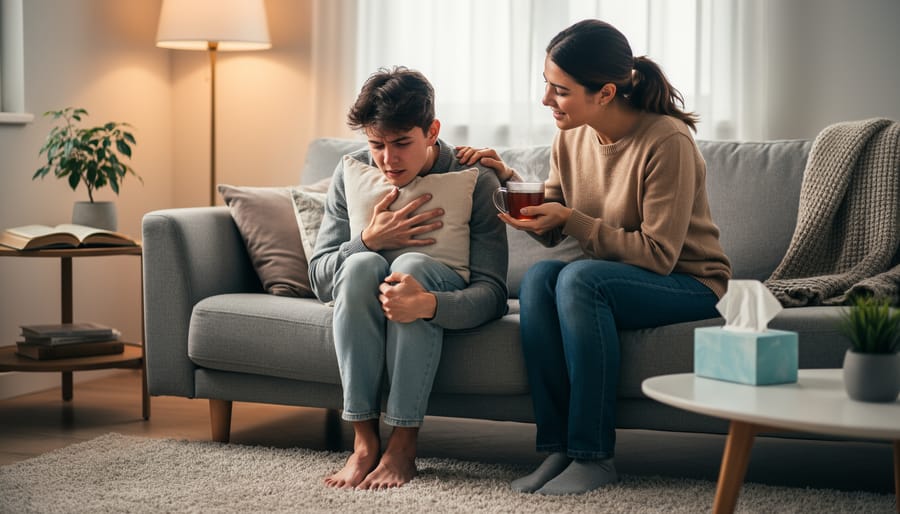
Anxiety doesn’t look the same everywhere, and understanding how القلق manifests in Arabic-speaking communities requires recognizing both universal experiences and culturally specific expressions. Like anyone else, Arabic speakers experience racing hearts, trouble sleeping, and persistent worry, but how these symptoms are discussed and interpreted can vary significantly across cultures.
Physical symptoms often take center stage in Arabic-speaking communities. Many people describe anxiety through bodily sensations: chest tightness (ضيق في الصدر), headaches, stomach problems, or general fatigue. This focus on physical manifestations isn’t avoidance, it reflects a holistic understanding of health where mind and body are deeply connected. Someone might say they feel “heaviness in the chest” or describe their heart as “tight” rather than immediately framing their experience as psychological distress.
Emotional expressions of anxiety also carry cultural nuances. Worry about family obligations, maintaining honor, and meeting community expectations can intensify feelings of القلق. The concept of “what will people say” (ماذا سيقول الناس) creates additional layers of stress, particularly around life decisions involving marriage, career, or family reputation. This collective-oriented anxiety differs from the more individualistic worries common in Western contexts.
Religious and spiritual frameworks shape how many Arabic speakers understand and cope with anxiety. Turning to prayer, reciting Quranic verses, or seeking guidance from religious leaders are common first responses. These practices coexist with, rather than replace, other forms of support, and they can be powerful sources of comfort and community connection.
The language around mental health continues to evolve. While older generations might resist discussing القلق openly due to stigma concerns, younger Arabic speakers increasingly use psychological terminology and seek professional help. However, confidentiality remains paramount; the fear of gossip within tight-knit communities can delay people from reaching out.
Cultural contexts also influence what triggers anxiety. Events like political instability, displacement, or navigating life as an immigrant or refugee create specific stressors. Someone managing multiple languages and cultural identities might experience anxiety differently than those living in their country of origin.
Recognizing these patterns helps validate experiences and opens pathways to support. Whether someone uses traditional de-stress techniques rooted in their culture, explores therapy, or combines both approaches, understanding how القلق shows up is the first step toward managing it effectively.
Art Therapy as a Bridge Across Language and Culture
Why Art Therapy Works for Anxiety
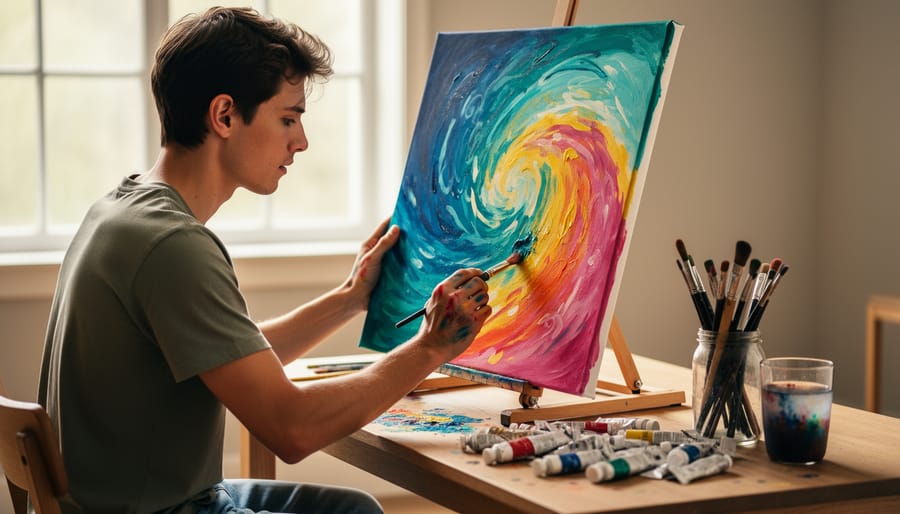
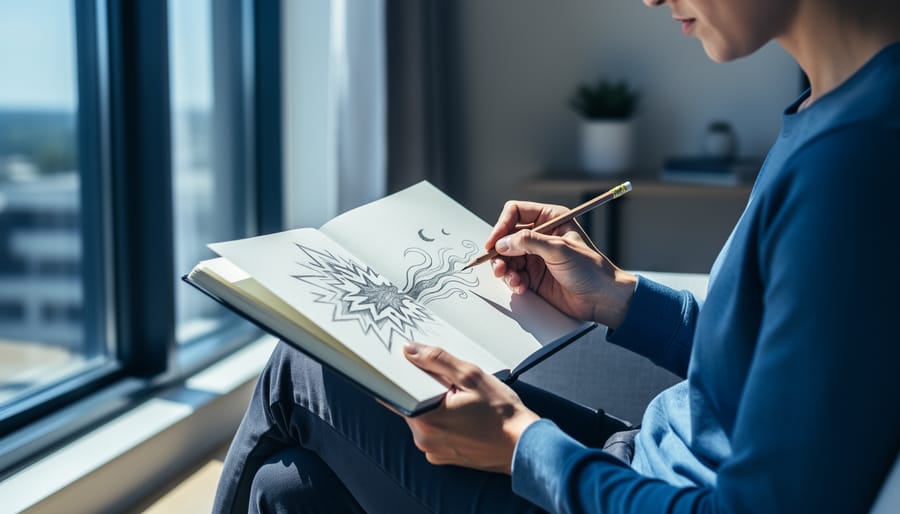
Art therapy offers a uniquely effective pathway for managing القلق because it bypasses the need for extensive verbal articulation. When anxiety feels overwhelming or difficult to put into words, especially across language barriers, creative expression provides an immediate outlet. The act of drawing, painting, or sculpting engages different parts of the brain than verbal processing, allowing you to access and release emotional tension that might otherwise remain stuck.
Through creative work, you develop greater self-awareness about your anxiety patterns. Colors, shapes, and images that emerge on paper often reveal underlying worries or fears you hadn’t consciously recognized. This visual externalization makes القلق feel more manageable: what was once an abstract, overwhelming feeling becomes something concrete you can observe, understand, and begin to shift.
The combination of art therapy and mindfulness supports emotional regulation in real time. Focusing on brush strokes or molding clay naturally grounds you in the present moment, interrupting the future-focused thought spirals that fuel anxiety. The rhythmic, repetitive motions involved in many art activities activate the parasympathetic nervous system, triggering your body’s natural relaxation response.
Perhaps most importantly for Arabic speakers navigating mental health care, art therapy doesn’t require fluency in clinical terminology or comfort with vulnerability in conversation. Your creative expression speaks for itself, transcending linguistic and cultural boundaries while still honoring your individual experience with القلق.
Finding Culturally-Sensitive Mental Health Support
Finding the right mental health support means working with someone who understands not just your symptoms, but your cultural context. For Arabic speakers managing القلق, this often involves finding practitioners who recognize how anxiety intersects with cultural values, family dynamics, and privacy concerns.
When searching for a therapist, prioritize those who offer services in Arabic or who have experience working with Arabic-speaking communities. Many online directories now include language and cultural specialty filters. If bilingual therapists are limited in your area, consider practitioners who demonstrate cultural humility and a willingness to understand your background, even if they don’t speak Arabic fluently.
Confidentiality is often a significant concern, particularly in close-knit communities where privacy matters deeply. It’s perfectly appropriate to ask potential therapists directly about their confidentiality practices during an initial consultation. You might frame this as the example phrase suggests: “هل تُعد السرية مصدر قلق لك إذا طلبت المساعدة من قسم الإرشاد؟” (Is confidentiality a concern for you if you seek help from the counseling department?). A good therapist will welcome these questions and explain their commitment to privacy clearly.
Online art therapy has expanded access considerably, allowing you to work with culturally-matched therapists regardless of geographic location. These sessions often cost less than traditional in-person therapy while still providing professional support. Because art therapy relies primarily on creative expression rather than extensive verbal discussion, it can feel more comfortable for those who prefer not to verbalize every detail of their anxiety experience.
Community mental health centers, religious organizations, and cultural centers serving Arabic-speaking populations may also offer sliding-scale or free counseling services. Don’t hesitate to ask about payment options, many providers offer flexible arrangements to make care accessible.
Common Questions About Anxiety and Mental Health in Arabic
When Arabic speakers first encounter mental health terminology, questions naturally arise about language, cultural context, and how to navigate support systems. Here are answers to some of the most common concerns.
Is there stigma around discussing القلق in Arabic-speaking communities?
Yes, mental health stigma exists in many Arabic-speaking communities, where anxiety might be viewed as a personal weakness rather than a health concern. However, awareness is growing, and more people are recognizing that discussing القلق openly is a sign of strength and self-care.
How do I talk to my family about anxiety when they don’t understand mental health concepts?
Start by using familiar Arabic terms like القلق and connecting it to physical symptoms they can relate to, such as صداع (headache) or أرق (insomnia). Framing anxiety as a health condition that deserves treatment, just like diabetes or high blood pressure, can help bridge the understanding gap.
What if my therapist doesn’t speak Arabic?
Many Arabic speakers successfully work with therapists who don’t speak Arabic by focusing on their English-language skills or using interpretation services. Art therapy can be particularly helpful because creative expression transcends language barriers while still honoring your cultural identity.
Can art therapy help during difficult times like conflict or displacement?
Absolutely. Art therapy provides a safe, non-verbal outlet for processing fear and anxiety during challenging circumstances. The creative process offers a way to express emotions that might feel too overwhelming or unsafe to put into words.
Beyond these specific questions, many Arabic speakers wonder about confidentiality when seeking help. Privacy concerns are valid, especially in tight-knit communities where information travels quickly. Professional therapists are bound by strict confidentiality rules, meaning they cannot share what you discuss without your permission except in specific safety situations.
Another common concern involves finding affordable support. Art therapy and other mental health services don’t have to drain your budget. Many therapists offer sliding-scale fees based on income, and online therapy platforms provide more accessible pricing than traditional in-person sessions. Community mental health centers often serve Arabic-speaking populations with culturally-sensitive staff who understand the nuances of discussing القلق.
The question of whether therapy actually works for anxiety comes up frequently too. Research consistently shows that therapeutic approaches, including creative therapies, effectively reduce anxiety symptoms. Learning practical coping mechanisms through therapy gives you tools you can use for life, not just temporary relief.
Some people ask whether they need to explain their entire cultural background to a therapist. While a culturally-aware therapist is valuable, you’re not responsible for educating your therapist about Arab culture. A good therapist will ask respectful questions, do their own learning, and create space for you to share what feels relevant to your healing without putting that burden entirely on you.
Understanding anxiety, القلق, in your own language is more than a translation exercise. It’s about recognizing your experience, naming it, and realizing you’re not alone in what you feel. When you can say “أشعر بالقلق” (I feel anxious) in Arabic, you’ve taken a significant step toward addressing it rather than carrying it silently.
Mental health support shouldn’t require you to navigate unfamiliar language or abandon your cultural identity. Whether you speak Arabic at home, with family, or in your daily life, your path to healing should honor who you are. The growing conversation around القلق in Arabic-speaking communities reflects an important shift, mental health is being discussed more openly, and help is becoming more accessible.
Art therapy offers a particularly inclusive option. It doesn’t depend on perfect vocabulary or complete fluency in any language. When words feel inadequate or cultural barriers make traditional talk therapy uncomfortable, creative expression provides another way forward. You can process القلق through color, shape, and image, communicating what’s inside without needing to translate your feelings into someone else’s language first.
Healing happens in many forms and many languages. What matters most is finding support that feels right for you, whether that’s understanding the terminology in Arabic, working with a culturally-sensitive therapist, or exploring affordable options like online art therapy. You deserve care that meets you where you are.
