
Understand that gummies with THCp aren’t actually 33 times more potent than regular cannabis—this misleading claim refers to THCP’s binding affinity to your brain’s receptors, not the overall experience you’ll have. In practical terms, THCP edibles feel approximately 5-10 times stronger than traditional THC products, which means they require careful dosing and mindful consumption, especially if you’re exploring them as part of your mental wellness journey.
Start with just 1-2mg of THCP if you’re new to this cannabinoid, waiting at least two hours before considering more, since edibles take longer to activate and the effects can last 6-8 hours. This extended duration actually offers unique opportunities for extended art therapy sessions, allowing you to maintain a consistent mindset while working through creative exercises without frequent redosing.
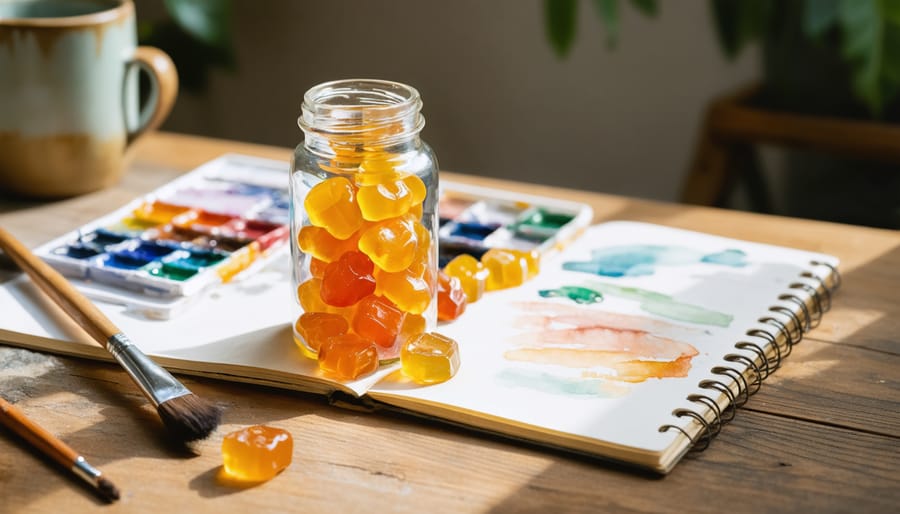
Consider THCP’s potential to deepen your connection with creative expression—many users report enhanced color perception, emotional openness, and reduced performance anxiety that can unlock new artistic pathways. However, this isn’t a magic solution for mental health challenges; it’s one tool among many that works best when combined with professional support and structured therapeutic practices.
Research the legal landscape in Canada carefully, as THCP exists in a gray area. While derived from legal hemp, its psychoactive properties mean regulations vary by province, and you’ll want to source from reputable suppliers who provide third-party lab testing. This ensures you’re getting accurately dosed products without contaminants—crucial for anyone using cannabinoids intentionally for wellness rather than recreation.
What Makes THCP 33 Times More Potent Than Regular THC?
The Real Story Behind the Numbers
You’ve probably seen that eye-catching “33x more potent” claim about THCP gummies and wondered what it really means for your experience. Let’s break this down in a way that actually makes sense.
Here’s the thing: that 33x number refers to how strongly THCP binds to receptors in your body compared to regular THC—it’s like comparing how tightly two different keys fit into the same lock. But binding affinity isn’t the whole story. Think of it this way: just because a key fits really well doesn’t mean the door will swing open 33 times wider.
In practical terms, many people report that THCP feels about 5-10 times stronger than THC, not 33 times. The effects are definitely more intense, but your body processes compounds in complex ways that don’t translate directly from lab measurements to lived experience.
This distinction matters, especially if you’re exploring THCP as part of your mental wellness journey or alongside art therapy practices. Understanding realistic expectations helps you make safer choices. You might find that a small dose creates the relaxed, open mindset that supports creative expression—but taking too much because you’re expecting moderate effects could lead to overwhelming experiences that aren’t therapeutic at all.
The bottom line? Respect THCP’s potency, but don’t let the marketing numbers scare or mislead you. Start with tiny amounts (we’re talking 1-2mg or less), give yourself time to understand how your body responds, and approach it with curiosity rather than assumptions. Your experience is what matters most.
How Your Body Processes THCP Differently
THCP works differently in your body compared to regular THC, and understanding this can help you make informed choices about your wellness journey. When you consume THCP gummies, the compound binds to your endocannabinoid system—think of it as a network of receptors throughout your body that helps regulate mood, pain, and stress responses.
What makes THCP unique is how tightly it connects to these receptors, particularly the CB1 receptors in your brain. Imagine a key fitting perfectly into a lock—THCP’s molecular structure allows it to “click in” more securely than regular THC, which is why many people report more intense effects.
Here’s what this means practically: THCP’s effects typically last longer and feel stronger than what you might experience with standard THC products. While a regular THC gummy might offer 4-6 hours of noticeable effects, THCP can extend beyond that timeframe. The intensity also tends to build more gradually, which some people find helpful for creative activities like art therapy sessions.
Your body metabolizes THCP through your liver, similar to other cannabinoids, but the process takes longer. This extended processing time contributes to the prolonged effects. For those exploring THCP as part of their mental wellness toolkit, this means you’ll need less product to achieve your desired state—but it also means starting with smaller doses is especially important while you learn how your unique body responds.
Why People Are Exploring THCP Gummies for Mental Wellness
The Appeal for Creative and Therapeutic Work
Many people exploring THCP gummies for art therapy report experiencing deeper emotional connections during their creative sessions. While research is still emerging, some individuals describe feeling more open to exploring difficult feelings through painting, drawing, or sculpting when using these products mindfully.
Creative anxiety—that nagging voice that tells you you’re “not good enough”—can sometimes quiet down, allowing for more spontaneous self-expression. This reduction in self-judgment can be particularly valuable during therapeutic art-making, where the process matters more than creating a perfect finished piece.
Some art therapy participants mention that THCP helps them access memories or emotions that feel otherwise blocked. This introspective quality can complement traditional stress management techniques and make therapeutic sessions feel more productive. The enhanced sensory experience might also help you notice textures, colors, and movements in new ways, deepening your engagement with materials.
It’s important to remember that everyone’s experience differs significantly. What supports one person’s creative process might not work for another. THCP isn’t a replacement for professional mental health support—it’s one potential tool some people choose to explore alongside therapy.
If you’re curious about incorporating THCP into your art therapy practice, start with very low doses and always discuss this with your therapist first. They can help you assess whether this approach aligns with your therapeutic goals and overall wellness plan. Creating a safe, judgment-free space remains the foundation of meaningful therapeutic work, with or without cannabinoids.
What Makes Gummies the Preferred Method
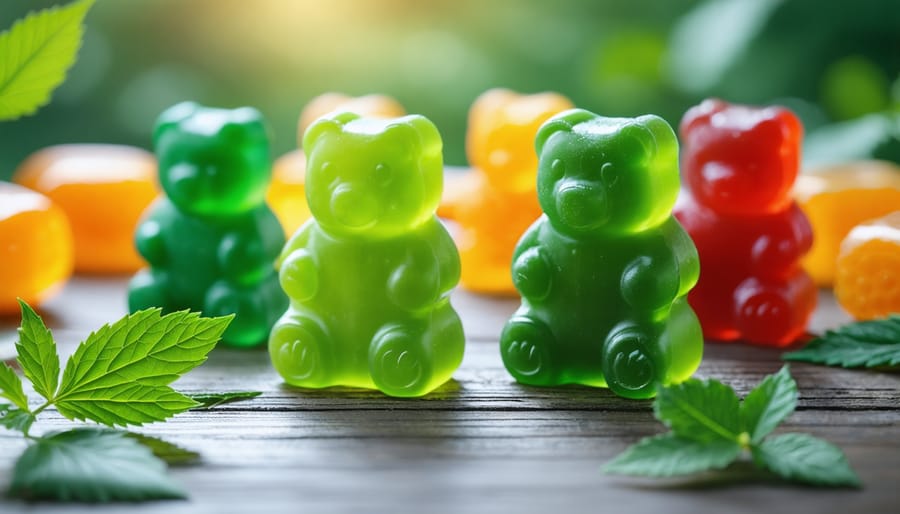
Gummies have become a go-to choice for many people exploring THCP for wellness purposes, and it’s easy to see why. Each gummy comes with a pre-measured dose, which takes the guesswork out of the equation—especially helpful if you’re new to cannabinoids or want consistent effects during your art therapy sessions. You know exactly what you’re taking every time, making it easier to find what works best for your creative practice.
There’s also the discretion factor. Gummies look like regular candies, so you can take them without drawing attention or needing special equipment. They’re portable, don’t require any preparation, and won’t produce any telltale smells—perfect for those who value privacy in their wellness journey.
For people managing anxiety or exploring mindfulness through art, gummies offer a gentle, approachable entry point. Unlike smoking or vaping, which can feel intimidating or harsh on your lungs, gummies are familiar and easy to incorporate into your routine. They’re accessible to a wide range of people, regardless of experience level, and fit naturally into a holistic approach to mental wellness that values comfort and personal choice.
The Intersection of THCP and Art Therapy in Canada

How Cannabinoids Can Support Creative Expression
For some people, cannabinoids like THCP may help unlock creative expression in ways that feel surprisingly natural. When we’re stuck in our heads—worried about judgment or perfectionism—it can be hard to let our feelings flow onto the page or canvas. That’s where cannabinoids and art therapy might work together beautifully.
THCP may help quiet that inner critic by gently reducing inhibitions. This doesn’t mean losing control; rather, it can create a softer mental space where you feel more comfortable exploring emotions without overthinking every brushstroke. For individuals working through trauma or difficult feelings, this relaxed state might make it easier to access and express what’s been buried.
Some people report feeling more present and connected to their senses when using cannabinoids, which can enhance the tactile and visual aspects of creating art. Colors might seem more vibrant, textures more interesting, and the act of making art more absorbing. This heightened sensory awareness can deepen the therapeutic experience during art therapy activities.
It’s important to note that everyone responds differently to cannabinoids. What supports one person’s creativity might feel overwhelming to another. Starting with very small amounts and working with a knowledgeable therapist or healthcare provider can help you find what works for your unique needs and comfort level.
Canadian Regulations and Accessibility
THCP exists in a bit of a grey area in Canada right now. While cannabis itself is federally legal, THCP is a newer cannabinoid that hasn’t been specifically addressed in current regulations. Health Canada oversees cannabis products, but THCP’s legal status remains unclear since it’s not explicitly listed as either legal or prohibited.
If you’re considering THCP gummies as part of your wellness journey, here’s what you need to know: look for products from licensed cannabis retailers whenever possible, as these businesses follow strict quality standards. Always check for third-party lab testing results—reputable sellers should provide certificates showing exactly what’s in their products and confirming they’re free from contaminants.
Since regulations are still catching up with these emerging cannabinoids, it’s worth being extra cautious. Start by researching brands thoroughly, reading reviews from other Canadian users, and asking questions about sourcing and testing. If you’re working with a therapist or healthcare provider, bring them into the conversation before trying THCP.
Remember, accessibility matters here too. Prices and availability vary widely, and not all communities have equal access to tested, quality products. If THCP isn’t easily accessible or affordable in your area, that’s okay—there are many other pathways to supporting your mental health through art therapy and other wellness practices.
Art Therapy Canada’s Holistic Approach
Art Therapy Canada recognizes that healing looks different for everyone. We welcome clients from all walks of life, including those who incorporate cannabinoids like THCP into their personal wellness routines. Our therapists create judgment-free spaces where you can explore your mental health journey through creative expression, regardless of what other supportive practices you use outside our sessions.
While we don’t prescribe or recommend specific substances, we understand that many people combine different approaches to feel their best. Whether you’re exploring online art therapy from home or attending in-person sessions, our focus remains on providing accessible, affordable mental health support through art-making. We maintain professional boundaries while respecting your autonomy in managing your overall wellness. Our therapists are trained to work with diverse populations and understand that holistic healing often involves multiple pathways working together.
Navigating THCP Gummies Safely and Responsibly
Starting with the Right Dose
If you’re new to THCP gummies, think of it this way: because they’re up to 33 times more potent than regular THC, starting small isn’t just recommended—it’s essential for a safe, positive experience.
Begin with what’s called “micro-dosing,” which means taking the smallest amount possible. For THCP, this typically means cutting a gummy into quarters or even eighths. Yes, really! A tiny piece (around 1-2mg of THCP) is enough to gauge how your body responds. Remember, you can always take more next time, but you can’t take less once you’ve already consumed it.
Wait at least two hours before considering another dose. THCP can take longer to kick in than you might expect, especially if you’ve eaten recently. During this time, keep notes about how you’re feeling—both physically and emotionally. This self-awareness becomes particularly valuable if you’re exploring THCP as part of your art therapy practice.
Finding your “therapeutic range” is a personal journey that takes patience. Over several sessions (spread across days, not hours), gradually increase your dose by small increments—maybe adding another quarter piece. Notice when you feel the creative flow and mental clarity you’re seeking without unwanted effects like anxiety or grogginess.
This gentle approach respects your unique body chemistry and helps you discover the sweet spot where THCP supports your wellness goals rather than overwhelming your system. There’s no rush—therapeutic benefits build with consistent, mindful use.
When THCP Might Not Be Right for You
THCP gummies aren’t for everyone, and that’s completely okay. High-potency cannabinoids can sometimes worsen anxiety, paranoia, or depression rather than help—especially if you’re already experiencing intense symptoms. If you’re living with conditions like bipolar disorder, schizophrenia, or psychosis, THCP’s strength might trigger unwanted episodes or interfere with your medication.
Pregnancy, breastfeeding, heart conditions, and a personal or family history of substance use challenges are also important considerations. Because THCP is so potent, even small amounts can feel overwhelming if your body isn’t used to cannabinoids.
Before trying THCP gummies—especially alongside art therapy or other mental health support—talk with your healthcare provider. This isn’t just a legal suggestion; it’s about keeping you safe and making sure your wellness journey actually supports your goals. Your doctor can help you understand how THCP might interact with your current medications or mental health needs.
Remember, there’s no shame in deciding THCP isn’t right for you. Plenty of other accessible, affordable therapy options exist that might be a better fit for your unique situation.
Combining THCP with Art Therapy Sessions
If you’re considering combining THCP gummies with your art therapy sessions, having an open conversation with your therapist is essential. Share your intentions honestly—most therapists appreciate transparency and can help you explore whether this approach aligns with your goals. Since THCP’s effects can take 30-90 minutes to kick in, timing matters. Some people prefer taking a gummy an hour before their session, while others find it helpful afterward to process what came up during therapy.
Set clear intentions before combining these practices. Ask yourself: What do I hope to experience? Am I seeking deeper creative flow, emotional release, or simply a different perspective? Writing these down can help you track what works for you. Start with very low doses—remember, THCP is significantly more potent than regular THC, so less is truly more.
Create a comfortable environment that supports both the cannabinoid experience and creative expression. Have your art supplies ready, water nearby, and consider incorporating mindful art therapy practices like breathing exercises. Most importantly, listen to your body and mind. If something doesn’t feel right, it’s completely okay to adjust your approach or discontinue use altogether. Your therapeutic journey is uniquely yours.
Finding Quality THCP Gummies in Canada
What to Look for on the Label
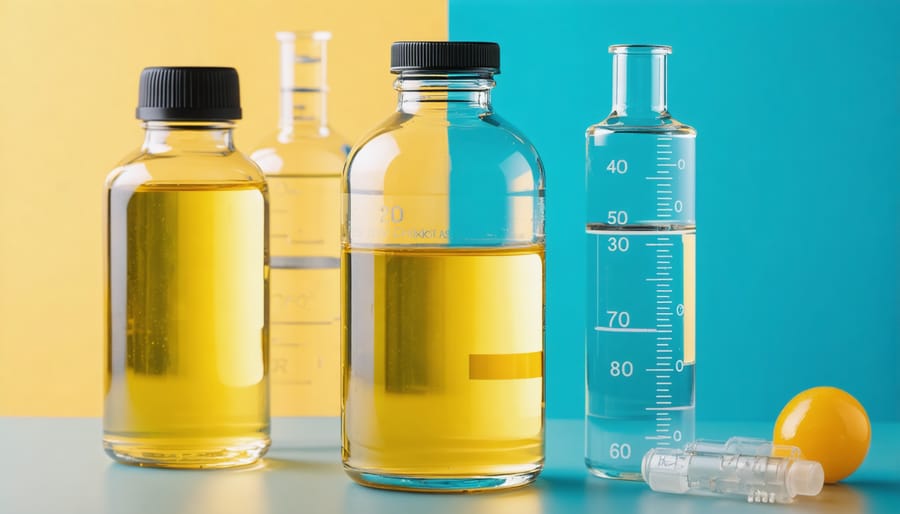
When shopping for THCP gummies, think of the label as your safety guide. Look for clear evidence of **third-party lab testing**—this means an independent lab has verified what’s actually inside. These test results (sometimes called a Certificate of Analysis or COA) should be easy to find, either on the package or through a QR code.
Check that the label clearly states the **exact amount of THCP per gummy**. Vague claims like “extra strength” aren’t enough—you deserve to know precisely what you’re taking. Quality products will list all cannabinoids present, not just THCP, giving you the full picture.
**Ingredient transparency matters**. You should see a complete list of what’s in your gummies, from sweeteners to preservatives. If you have dietary restrictions or allergies, this is essential information.
Watch out for these red flags: wildly exaggerated health claims (no gummy can “cure” mental health conditions), missing contact information for the manufacturer, or suspiciously low prices that seem too good to be true. If a product doesn’t provide lab results or clearly state its THCP content, keep looking.
Remember, you’re choosing something that affects your wellbeing—being selective isn’t being picky, it’s being smart.
Trusted Sources and Shopping Tips
Finding quality THCP gummies in Canada means shopping smart and staying safe. Start by looking for licensed cannabis retailers—both online and in-store—that operate under Health Canada’s regulations. These retailers should display their licensing information clearly on their websites or storefronts.
When you’re shopping, don’t hesitate to ask questions. How is the product tested? Can they show you lab results confirming potency and purity? Where does the THCP come from? A trustworthy retailer will welcome these conversations and provide transparent answers without making you feel rushed or judged.
Pricing for THCP products varies, but be cautious of deals that seem too good to be true. Quality gummies typically range from $30-$60 for a container, depending on potency and quantity. Cheaper options might cut corners on testing or ingredients, which isn’t worth the risk when you’re investing in your wellness journey.
Look for products with clear labelling that includes dosage information, ingredients, and batch numbers. Third-party lab testing certificates are your best friend—they confirm what’s actually in the product matches what’s on the label. Remember, prioritizing quality over price means you’re choosing safety and effectiveness for your mental health support.
Exploring THCP gummies and their potential role in wellness requires a balanced approach that honors both curiosity and caution. While the heightened potency of THCP offers intriguing possibilities, it’s essential to remember that more powerful doesn’t always mean better, especially when it comes to mental health support.
If you’re considering THCP as part of your wellness journey, start slowly, stay informed about local regulations, and prioritize products from reputable sources with transparent lab testing. Most importantly, these tools work best alongside professional support rather than as replacements for it.
Art Therapy Canada connects individuals with qualified therapists who understand the complex relationship between alternative wellness approaches and mental health. Whether you’re navigating anxiety, processing trauma, or simply seeking creative outlets for self-expression, our diverse network of accessible therapists can provide guidance tailored to your unique needs and circumstances.
Your mental health journey deserves both safety and support. By combining informed choices about alternative therapies with professional therapeutic guidance, you’re taking meaningful steps toward holistic wellness that honors your whole self.
