
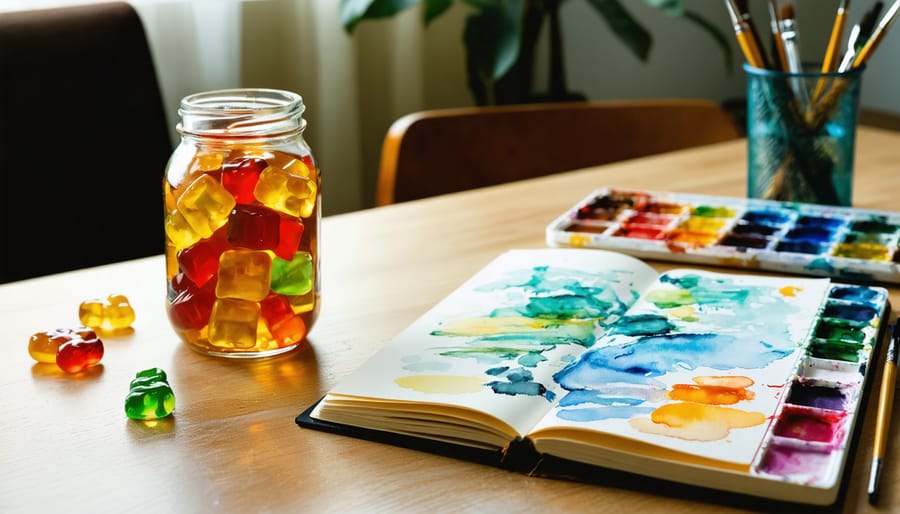
Understand that gummies with THCp deliver approximately 33 times the potency of regular THC, meaning smaller doses produce significantly stronger effects that can profoundly alter your creative and emotional state during art therapy sessions.
Start with microdosing—one-quarter or even one-eighth of a standard gummy—and wait at least two hours before considering more, as edibles metabolize slowly and effects can intensify unexpectedly, especially when you’re engaging in emotionally vulnerable therapeutic work.
Schedule your art therapy exploration during times when you have no obligations for at least six hours, ensuring a safe, comfortable environment with access to art supplies, water, and ideally a trusted person who can support you if the experience becomes overwhelming.
Research whether your art therapist or creative wellness facilitator has experience working with clients who use cannabinoids, as professional guidance can help you navigate altered perceptions while maintaining therapeutic benefits and emotional safety throughout your session.
The intersection of high-potency cannabinoids and creative healing practices represents uncharted territory for many Canadians exploring alternative mental health support. While traditional art therapy has helped countless individuals process trauma, reduce anxiety, and discover new pathways to self-expression, the addition of potent compounds like THCP introduces both possibilities and considerations that deserve thoughtful exploration. This isn’t about promoting or discouraging use—it’s about empowering you with clear, accessible information so you can make choices aligned with your wellness goals, safety needs, and therapeutic intentions. Whether you’re curious about enhancing your creative practice or simply want to understand what THCP potency means in practical terms, this guide offers balanced perspectives without judgment or assumptions about your experience level.
What Makes THCP Different (And Why Potency Matters)
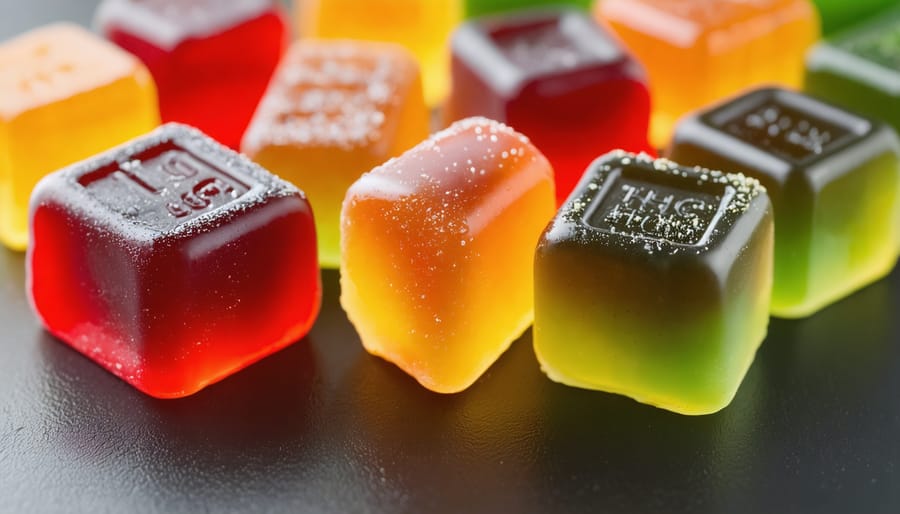
Breaking Down the 33x Claim
You’ve probably seen THCP gummies marketed as being “33 times stronger than THC” and wondered what that actually means for your experience. Let’s break this down in plain language.
The “33x” claim comes from laboratory research showing that THCP binds to your brain’s cannabinoid receptors with about 33 times more affinity than regular THC. Think of it like a key fitting into a lock—THCP’s “key” fits more snugly than THC’s key does.
But here’s the important part: this doesn’t mean THCP gummies will make you feel 33 times more high. The actual effects you’ll experience depend on many factors, including the dosage, your body’s unique chemistry, and what you’ve eaten that day.
In practical terms, THCP is considerably more potent, which means you need much less of it to feel effects. A gummy containing 2mg of THCP might produce effects similar to a gummy with 10-15mg of regular THC—though everyone’s experience varies.
This potency difference matters especially if you’re considering using THCP before creative activities like art therapy. Starting with extremely small amounts becomes even more crucial with THCP than with regular cannabis products. What feels like a manageable dose with regular THC could become overwhelming with THCP.
The key takeaway? “33x stronger” is a scientific measurement about chemical binding, not a promise about your personal experience. Approach THCP with respect, start incredibly small, and give yourself time to understand how your body responds.
How Potency Affects Your Experience
Understanding how potency affects your experience with THCP gummies is essential for making informed choices, especially when considering them alongside creative practices like art therapy.
THCP is significantly more potent than regular THC—some research suggests it binds to cannabinoid receptors much more strongly. This means even small doses can produce noticeable effects. For someone new to cannabinoids, this heightened potency might feel overwhelming, while experienced users may appreciate the intensity.
**Onset time** typically ranges from 30 minutes to two hours when consuming gummies, as your body needs to digest and process them first. Higher potency doesn’t necessarily mean faster onset, but it does mean the effects may feel more pronounced when they arrive.
**Duration** tends to be longer with edibles compared to other consumption methods—often lasting four to eight hours or more. With THCP’s increased potency, you might experience extended effects, which is important to consider if you’re planning creative sessions or therapy appointments.
**Intensity** varies greatly between individuals based on factors like body weight, metabolism, tolerance, and whether you’ve eaten recently. Higher potency can mean stronger sensory experiences, altered time perception, and deeper relaxation—or potentially anxiety and discomfort if the dose is too high.
Everyone’s body responds differently to cannabinoids. Starting with very low doses and being patient allows you to understand your personal response safely, especially when combining these experiences with meaningful therapeutic work.
The Intersection of Cannabinoids and Creative Expression

Why Some People Combine Cannabis Products with Art Therapy
Some people who engage in art therapy have reported that combining their creative sessions with cannabis products helps them access deeper emotional states and engage more fully with the therapeutic process. While experiences vary widely from person to person, understanding what draws people to this combination can shed light on why it’s becoming a topic of interest.
One commonly reported benefit is **reduced anxiety and self-consciousness**. Creating art, especially in a therapeutic setting, can feel vulnerable. Some individuals find that cannabis products help quiet their inner critic—that voice that judges every brushstroke or color choice. This can create space for more spontaneous, authentic self-expression, which is often a key goal in art therapy.
**Enhanced sensory perception** is another frequently mentioned experience. Colors may appear more vivid, textures more interesting, and the physical act of creating more engaging. For therapeutic art-making, this heightened sensory awareness can deepen the connection between the creator and their work, potentially leading to more meaningful insights.
Many people also report that cannabis helps them access **emotional content more readily**. Art therapy often involves exploring difficult feelings, memories, or experiences. Some find that certain cannabis products help lower emotional barriers, making it easier to confront and process challenging material through creative expression. This connection between cannabinoids and art therapy continues to generate interest among those seeking alternative wellness approaches.
It’s important to note that these are subjective experiences, not universal outcomes. What helps one person may not work for another, and some people find cannabis interferes with their creative process or therapy goals. Individual responses depend on many factors including product type, dosage, personal physiology, and therapeutic context.
Important Considerations Before Combining Approaches
Before exploring THCP gummies alongside your creative healing journey, there are some essential things to keep in mind. Your safety and wellbeing always come first.
**Understanding Canadian Law**
THCP products exist in a legal grey area in Canada. While cannabis is legal, THCP isn’t explicitly listed in regulations, so availability and legality can vary. Always purchase from reputable sources and stay informed about current laws in your province.
**Everyone’s Different**
Your response to THCP will be uniquely yours. Factors like body chemistry, mental health history, current medications, and tolerance all play a role. What works beautifully for someone else might feel overwhelming or unhelpful for you—and that’s completely okay.
**Talk to Your Support Team**
Before combining THCP with art therapy and mindfulness practices, have honest conversations with both your art therapist and healthcare provider. Your therapist needs to know so they can support you appropriately during sessions, while your doctor can address potential interactions with medications or existing conditions.
**Start Slowly and Mindfully**
If you decide to explore this combination, begin with low doses and observe how you feel. High-potency products like THCP can be intense. Consider trying THCP separately from therapy first, so you understand its effects on you before introducing it into your creative practice.
Remember, art therapy itself offers powerful healing benefits without any substances. There’s no pressure to combine approaches—your path to wellness is valid exactly as it is.
Starting with THCP Gummies: What You Need to Know
Dosing Guidelines for Beginners
If you’re new to THCP gummies, the most important thing to remember is this: start low and go slow. Because THCP is significantly more potent than regular THC—we’re talking up to 33 times stronger in some studies—what seems like a small dose can have powerful effects.
For beginners, consider starting with just 1-2 milligrams of THCP, or even less if that’s available. Yes, that’s much lower than you might take with regular THC edibles, but it’s truly about finding what works for your body without overwhelming yourself. Everyone’s tolerance is different, and factors like your body weight, metabolism, previous cannabis experience, and even what you’ve eaten that day can influence how you respond.
After taking your first dose, wait at least two hours—or even longer—before considering taking more. Edibles take time to kick in, and THCP’s effects can be particularly long-lasting. Rushing into a second dose is one of the most common mistakes people make.
Keep a simple journal noting the dose you took, when you took it, and how you felt. This helps you understand your personal tolerance and find your ideal amount. If you’re planning to combine THCP with art therapy or creative work, try it on its own first in a comfortable, safe environment so you know what to expect before introducing it into your therapeutic practice.

Legal Status and Access in Canada
In Canada, cannabis is federally legal, but THCP exists in a bit of a grey area. While naturally occurring cannabinoids like THC and CBD are regulated under the Cannabis Act, THCP is relatively new and isn’t specifically addressed in current legislation. This means availability can be inconsistent, and products may not undergo the same rigorous testing as traditional cannabis items.
If you’re curious about exploring THCP gummies, prioritize safety by purchasing only from licensed cannabis retailers or reputable online dispensaries that provide third-party lab testing results. These tests verify potency and ensure products are free from harmful contaminants. Remember, THCP is significantly more potent than regular THC, so start with very low doses.
Before combining any cannabinoid with art therapy or mental health support, chat with a healthcare provider who understands both cannabis and your personal health needs. They can help you weigh potential benefits against risks, especially if you’re taking other medications or managing specific mental health conditions.
Accessibility matters—if THCP products seem financially out of reach or hard to find, traditional art therapy itself offers powerful therapeutic benefits without any substances involved. Your wellness journey should feel comfortable, safe, and aligned with your personal values.
What to Expect: Timing and Effects
When you’re considering THCP gummies as part of your wellness journey, understanding timing helps you plan your experience thoughtfully. Unlike smoking or vaping, gummies take longer to work because they need to move through your digestive system first. Most people start noticing effects somewhere between 30 minutes to 2 hours after eating a gummy—patience is really important here.
The effects typically last much longer than other methods, often 4 to 8 hours, which can be beneficial if you’re planning an extended art therapy session. However, because THCP is significantly more potent than regular THC, even small amounts can produce stronger, longer-lasting effects than you might expect from traditional cannabis edibles.
This extended timeline means you’ll want to choose your timing carefully. Taking a gummy right before an art therapy appointment might mean the effects haven’t started yet, while taking it too early could mean you’re past the ideal window. Many people find that experimenting on a quiet day at home first helps them understand their personal response time, making it easier to coordinate with therapeutic activities later. Remember, everyone’s body processes these compounds differently, so your experience will be uniquely yours.
How Art Therapy Works (With or Without Cannabinoids)

The Core Principles of Art Therapy
Art therapy works on a simple yet powerful idea: creating art can help us understand and express feelings that words alone can’t capture. You don’t need to be an artist or have any special skills to benefit from art therapy. The focus isn’t on making “good” art—it’s about the process of creating and what that journey reveals about your inner world.
When you engage with art materials—whether painting, drawing, sculpting, or collaging—you’re giving your emotions a safe place to exist outside yourself. This makes difficult feelings more manageable. Many people find that emotional processing through art allows them to access and work through experiences that feel too overwhelming to discuss directly.
Art therapy is particularly valuable because it bypasses some of the barriers that traditional talk therapy can present. If you struggle to find words for what you’re experiencing, or if talking about trauma feels too direct, creative expression offers an alternative pathway to healing. The artwork becomes a bridge between your internal experience and the outside world.
Trained art therapists guide this process with compassion and understanding, creating a non-judgmental space where you can explore freely. They help you discover meaning in your creations and connect the dots between your artwork and your emotional life, supporting your journey toward greater self-awareness and healing at your own pace.
Who Benefits from Art Therapy in Canada
Art therapy in Canada welcomes everyone, regardless of where you’re starting from on your wellness journey. Whether you’re dealing with anxiety, depression, trauma, or simply looking for creative ways to understand yourself better, art therapy offers a supportive space without judgment.
Young people, including children and teens navigating school stress or identity questions, find art therapy particularly helpful because it doesn’t require putting complex feelings into words right away. Adults managing work-related burnout, relationship challenges, or life transitions also benefit greatly. Seniors use art therapy to maintain cognitive health, process grief, and stay socially connected.
Art Therapy Canada serves diverse communities, including Indigenous peoples, LGBTQ2S+ individuals, newcomers to Canada, and people from various cultural backgrounds. Many therapists specialize in culturally sensitive approaches that honor different traditions and experiences.
Accessibility is a priority. Online art therapy sessions make support available to people in rural areas, those with mobility challenges, or anyone preferring the comfort of their own space. Sliding scale fees and community programs help ensure financial barriers don’t prevent access to care.
You don’t need artistic talent or experience—seriously, none at all. Art therapy isn’t about creating museum-worthy pieces; it’s about expressing yourself authentically. Whether you’re exploring cannabinoid-enhanced sessions or traditional approaches, the focus remains on your healing journey and what works best for your unique needs.
Creating Your Personal Practice: Practical Tips
Finding the Right Art Therapist
Finding the right art therapist is an important step in your healing journey. Start by checking the Canadian Art Therapy Association’s directory, which lists credentialed professionals across the country. Look for therapists with the CATA or RCAT designation – these credentials mean they’ve completed proper training.
When reaching out, ask about their experience with your specific concerns and whether they’re open to discussing how substances like cannabis might interact with your therapy. Not all therapists will be comfortable with this conversation, and that’s okay – finding someone who respects your choices matters.
Consider practical factors too: Do they offer sliding scale fees or accept insurance? Can they provide virtual sessions if in-person isn’t accessible? What’s their approach to cultural sensitivity and inclusivity?
During your first conversation, notice how you feel. A good therapist should make you feel heard, not judged. They should explain their process clearly and answer questions patiently. Trust your instincts – if something feels off, it’s perfectly fine to keep looking.
Many therapists offer brief phone consultations before committing, giving you a chance to find the right fit without financial pressure.
Setting Up a Safe, Supportive Environment
Creating the right environment for art therapy—whether you’re working with a professional or exploring on your own—can make all the difference in your experience. Think of your space as a supportive container for both creativity and healing.
Start with the basics: good lighting (natural light is ideal), comfortable seating, and easy access to materials. You don’t need an elaborate setup—a simple table with paper, pencils, paints, or even just colored markers works perfectly. Keep supplies organized but visible so you’re not disrupting your creative flow by searching for materials.
Physical comfort matters too. Make sure the temperature is pleasant, eliminate distractions like phone notifications, and consider adding elements that help you reduce anxiety—soft music, plants, or calming scents.
If you’re considering using THCP gummies during creative sessions, plan ahead. Have water nearby, keep dosing information accessible, and ensure someone knows you’re engaging in this practice. Never drive or operate machinery afterward.
For formal therapy settings, discuss environmental preferences with your therapist. Many art therapists will work with you to adjust lighting, seating arrangements, or sensory elements to match your needs.
Most importantly, create a judgment-free zone. This space is for exploration, not perfection. Cover surfaces with drop cloths if mess worries you—liberation from worrying about “getting it right” is often where the real therapeutic work begins.
Your mental health journey is deeply personal, and the paths to healing are as unique as you are. Whether you’re drawn to the creative expression of art therapy, curious about how cannabinoids like THCP might fit into your wellness routine, or simply seeking support that feels right for you, what matters most is making informed choices that honor your individual needs.
Throughout this exploration, we’ve looked at THCP gummies and their potency, not to prescribe or promote, but to help you understand what you’re considering. We’ve discussed how creative expression through art therapy can support healing in profound ways—with or without any substances involved. The key takeaway? There’s no one-size-fits-all solution, and that’s perfectly okay.
If you’re exploring cannabinoids, do so mindfully. Start low, understand what you’re taking, and always prioritize safety. If art therapy speaks to you, know that it’s an accessible and affordable option designed to meet you exactly where you are. You don’t need artistic talent or prior experience—just a willingness to explore and express.
At Art Therapy Canada, the mission is clear: mental health support should be within everyone’s reach, free from judgment and barriers. Whether you choose traditional talk therapy, art-based approaches, or integrate other wellness practices into your routine, professional guidance can help you navigate these choices safely and effectively.
Your healing matters. Take your time, ask questions, seek support when you need it, and trust yourself to discover what works best for your unique path forward.
